Why Planning Happens Before Deployment

A reactive security posture assumes the threat will announce itself. In high-risk environments — whether a corporate executive's travel itinerary, a government official's public event, or a facility with a credible threat history — that assumption is a liability.

Pilum's advanced security planning process removes uncertainty before operations begin. Every risk variable is identified, assessed, and addressed in advance. Contingency plans are documented for deviations from the primary itinerary. And personnel arrive at every site having already walked through the plan — because the physical site advance happens before the principal does.

This is not a differentiator we claim. It is the methodology we teach. Pilum Tactical's professional training programs deliver this three-phase advance framework to security professionals seeking to work in executive protection and high-risk planning environments. Our deployed planners built that curriculum.

Advanced Security Planning

The Three-Phase Advance Process

Pilum's security planning followsa structured three-phase framework. This is the same process taught in PilumTactical's advanced security training programs — field-validated, notclassroom-only.

Phase 1
  • Intelligence Gathering Direct meeting with the principal or agency contact to collect all pertinent information: schedules, known threat history, personal concerns, public exposure level, and operational objectives. No assumption enters the planning process without a data source.
Phase 2
  • Logistics Finalization Confirmation of transportation, accommodations, event timelines, communication protocols, and documented contingency plans for every scenario deviation. All logistics are finalized and stress-tested against the threat profile established in Phase 1.
Phase 3
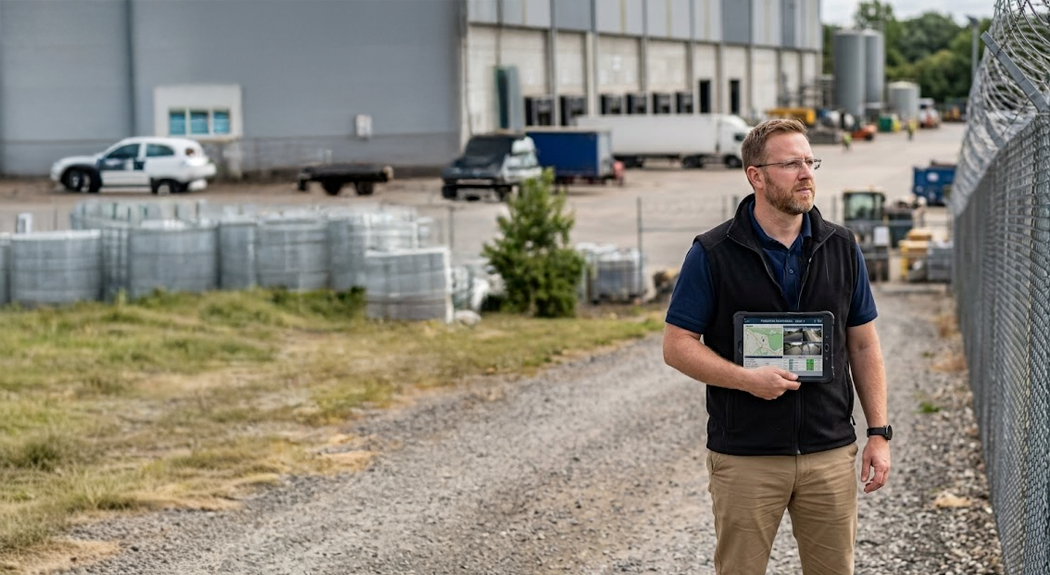
  • Physical Site Verification Before the principal arrives, Pilum planners physically travel to every site. We walk through the complete plan, inspect all facilities, assess access points and emergency exits, conduct a security sweep, and gather real-time local intelligence — a step most security firms skip entirely.

Core Risk Analysis Components

Every security plan is built across four risk categories, producing a comprehensive threat picture unique to each client and operation.

  • Principal Risk Profile — media exposure, documented threat history, public visibility level, and personal or corporate risk factors that calibrate the protection posture to the actual threat environment
  • Itinerary Risk Evaluation — purpose of each engagement, scheduled events, expected crowd density, sensitivity of meetings, and known or projected threat actors associated with each location
  • Location Assessment — physical access points, surveillance capability, emergency exits and routes, structural vulnerabilities, and proximity hazards at each site
  • Transportation Risk Analysis — vehicle selection, primary and alternate route planning, timing and exposure windows, and mobile vulnerability assessment — transportation is statistically the highest-risk moment in any protection operation

Who Needs Advanced Security Planning

Corporate Executives

Executives with elevated public profiles,
threatening communications, or high-exposure travel itineraries requiring
structured advance planning and documented contingency protocols.

Government Officials & Agencies

Elected officials, agency leaders, and government departments requiring coordinated advance planning for public events, travel, and sensitive facility operations.

Organizations with Specific Threat Events

Companies managing high-risk personnel transitions, sensitive litigation, labor disputes, or credible threat communications requiring structured threat assessment and planning response.

FAQs

What does advanced security planning include that standard security does not?

Standard security begins when a guard shows up to a post. Advanced security planning begins days or weeks before the operation — with threat profiling, site intelligence gathering, logistics coordination, and documented contingency plans for every scenario deviation. Pilum's three-phase advance process (intelligence gathering, logistics finalization, and physical site verification) eliminates assumptions before they become liabilities.

How is Pilum's planning methodology different from other security firms?

Pilum's planning framework was developed by Marine Corps and Navy SEAL veterans and is the same methodology delivered in Pilum Tactical's professional training programs. The planners Pilum deploys built the curriculum they apply in the field. That is a different operational baseline than a security firm that sends licensed guards to sites they have never assessed in advance.

Does Pilum provide threat assessments for organizations without ongoing security contracts?

Yes. Pilum conducts standalone threat assessments for organizations that have received threatening communications, are managing high-exposure personnel situations, or need a baseline campus or facility security analysis. Each assessment concludes with a prioritized action plan tailored to the organization's operational environment and budget.

Can government agencies use Pilum for advanced security planning on a contract basis?

Yes. Pilum is a GSA Schedule holder and SDVOSB providing advanced security planning and threat assessment services to federal, state, and local government agencies. Procurement is available through the GSA vehicle. CAGE: 70NP0 | DUNS: 038561624 | SAM Registered.