
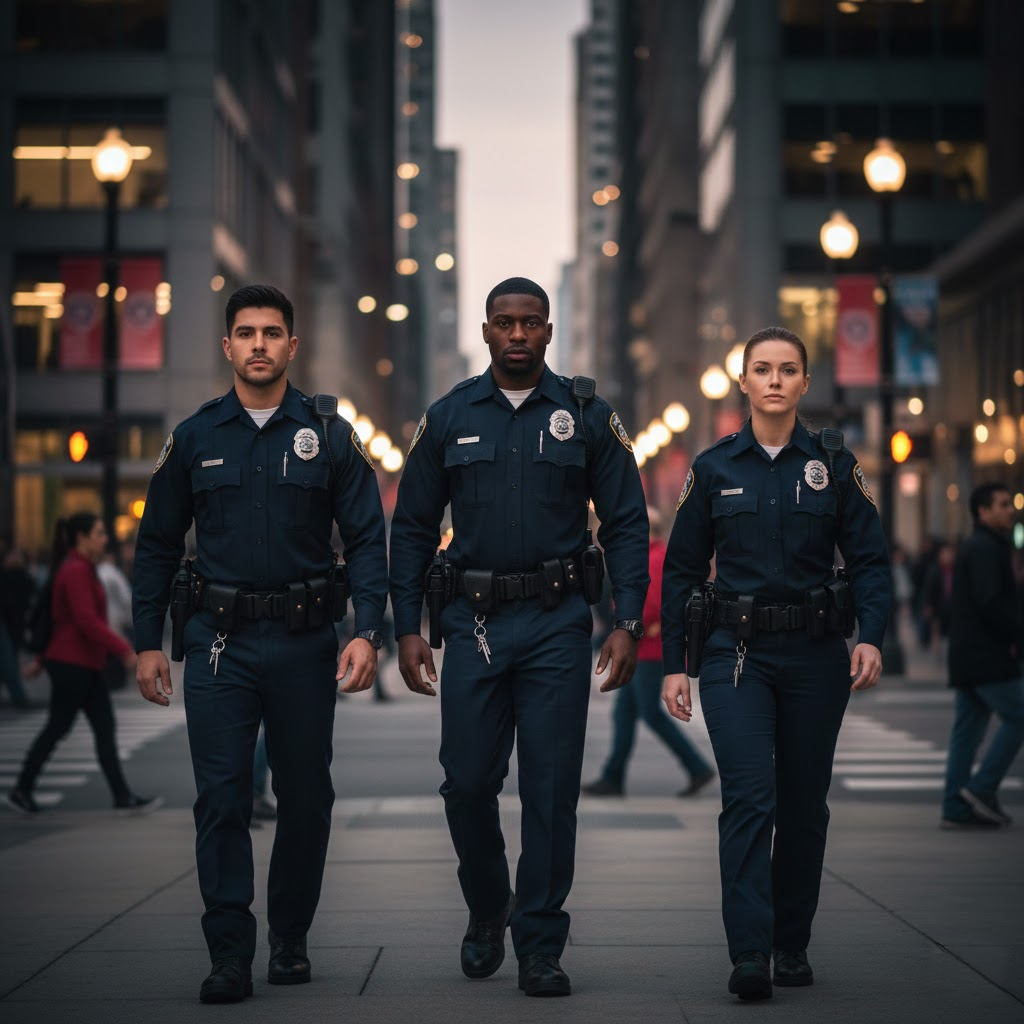
Paper Targets Don't Shoot Back
Here's the uncomfortable truth about most firearms training: it doesn't prepare you for what happens when the target is a human being who's moving, thinking, and trying to hurt you. Static range qualifications build marksmanship. But real confrontations require something range time alone can never develop—the ability to perform under the stress of an actual fight.
Law enforcement agencies and military units have known this for decades. That's why elite units spend significant training time in force-on-force scenarios—engagements against live opponents using non-lethal training ammunition. It's the closest thing to combat without actual casualties. And it exposes weaknesses that flat ranges never reveal.
Summary
The Problem: Static range training doesn't prepare you for the stress, movement, and decision-making of real confrontations.
The Science: Force-on-force training provides 'stress inoculation'—repeated exposure to realistic pressure that programs proper responses.
The Method: Pilum Tactical uses airsoft and simunition systems for scenarios ranging from technical drills to full tactical exercises with after-action review.
The Action: Book your force-on-force session and discover how you actually perform under pressure.
Why Force-on-Force Changes Everything
When you train against paper, you learn to shoot at a known distance, in a controlled environment, with no consequences for poor decisions. Real threats don't cooperate. They move. They take cover. They shoot back. And in the stress of the moment, fine motor skills degrade, vision narrows, and the skills you thought you had often disappear.
Force-on-force training programs realistic stress—what the military calls 'stress inoculation.' By repeatedly exposing trainees to high-pressure scenarios with real consequences (getting hit hurts), the body learns to function through the adrenaline dump that combat produces.
Train the Way You'll Fight
The old maxim holds true: you don't rise to the occasion, you fall to your level of training. Force-on-force is the bridge between range marksmanship and real-world performance. It's where you discover what you actually do under stress, not what you think you'll do.
Pilum Tactical's veteran instructors have trained special operations units and law enforcement tactical teams using these exact methodologies. Now we bring that same capability to security professionals, armed citizens, and anyone serious about performing when it matters.
Training applications
Individual Skills Development
- Draw and engage under stress
- Shoot/no-shoot decision making
- Movement and use of cover
- Malfunction response under fire
- Combat reloads with live opposition
Team Tactics
- Room clearing and building search
- Two-person movement and communication
- Vehicle ambush response
- Protective formations and evacuations
- Active shooter intervention
Scenario-Based Judgment
- De-escalation under threat of force
- Lethal vs. non-lethal decision points
- Civilian bystander considerations
- Post-incident response protocols
Safety Standards
Force-on-force training involves inherent risk. Pilum Tactical maintains strict safety protocols including:
- Mandatory eye and face protection for all participants
- Safety briefings and rules of engagement before every scenario
- Weapons checks and clearing procedures
- Designated safety officers during all force-on-force exercises
- Scenario boundaries and safe words
Our safety record reflects our commitment to training that challenges without causing unnecessary injury.
